
loader image

Glaucoma Surgery

Protect The Beauty Of Your Vision
It's estimated 1 in 50 people will develop Glaucoma over the age of 40.

Glaucoma is a serious life changing disease that can threaten your vision and impact your daily life. It is one of the leading cause of blindness and if it goes undetected, it can cause permanent damage to your eyes.

Some people may have medical conditions and hereditary traits that can increase the chances of having glaucoma, this is a disease that can strike anybody so it’s important to get your eyes checked at least once a year and if you’re over the age of 40 then twice.

In recent years there have been advances in glaucoma detection, which means it can be treated earlier than ever and 95% of people who have glaucoma do not go blind.
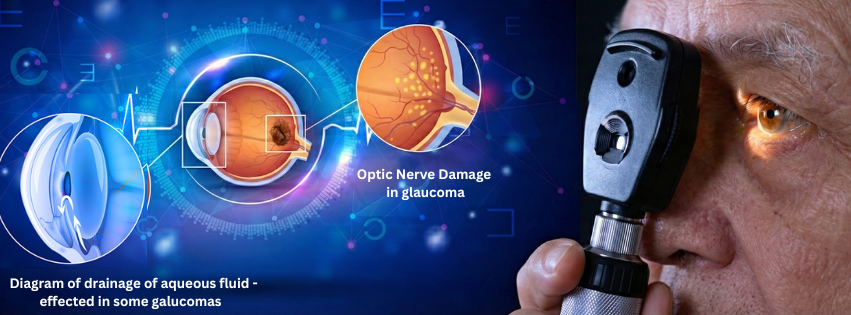
Symptoms

Blurry vision

Peripheral vision loss

Redness of the eyes

Severe eye & forehead pain

Halos around lights

Blind spots in the field of vision

Who is at risk of getting Glaucoma?
  • People with high intraocular pressure
  • Risk rises with age, especially after 40
  • People with a family history of Glaucoma
  • Eye injury can lead to immediate or delayed Glaucoma
  • People with high myopia (nearsightedness)
  • Diabetics
  • Hypertension patients
  • Optic nerve damage could eventually lead to blindness
  • After cataract surgery
  • After any eye surgery (IOL, retinal surgery, corneal transplantation surgery, intravitreal injections)
  • Post Uveitis
  • Children’s with watering, photophobia and corneal haze
  • People who work or watch screen in dark rooms
  • Early morning or late evening headaches
Frequently Asked Questions

Discover the life-changing benefits of Glaucoma Surgery

  • A family history
  • Myopia (Short sightedness)
  • Diabetes
  • Age - the elderly are at more risk
  • Thin Corneas- that's why everyone should undergo a corneal measurement
  • Low Corneal
  • Hysteresis (shock absorbing or mechanical elasticity)
  • Race- its more common amongst black and Asians
  • High eye pressure - if your eye pressure is higher than normal
  • Previous eye injury

Yes. There’s a kind called normal-tension glaucoma where optic nerve damage happens even though the intraocular pressure (IOP) falls within what’s considered a normal range. Monitoring must still be careful, because damage can progress silently.

  • Treatment aims to stop or slow further damage, since lost vision cannot generally be recovered.

  • Treatment options include eye-drops, oral medicines, various laser treatments, or surgery, depending on the type and severity.

  • Even if you’ve had laser or surgery, continued follow-up is essential. Sometimes additional medication or procedures are needed.

  • Regular eye check-ups as recommended by the doctor
  • Maintain control of blood sugar, blood pressure
  • Inform any doctors about glaucoma if being prescribed steroids or similar medications
  • Avoid very strenuous activities that spike eye pressure (heavy lifting etc.)
  • Stay consistent with treatment, avoid missing meds
  •  

Take the first step to better vision

Explore